Chinese model releases are often discussed abroad as a price-performance story. That misses a more operational development: products such as Tencent WorkBuddy package the model choice, task planning, tool use and deliverable into a workplace flow that does not ask the user to assemble an agent stack from scratch. The relevant question is therefore not simply which model sits underneath, but how the product distributes responsibility between the model, orchestration layer and human reviewer.
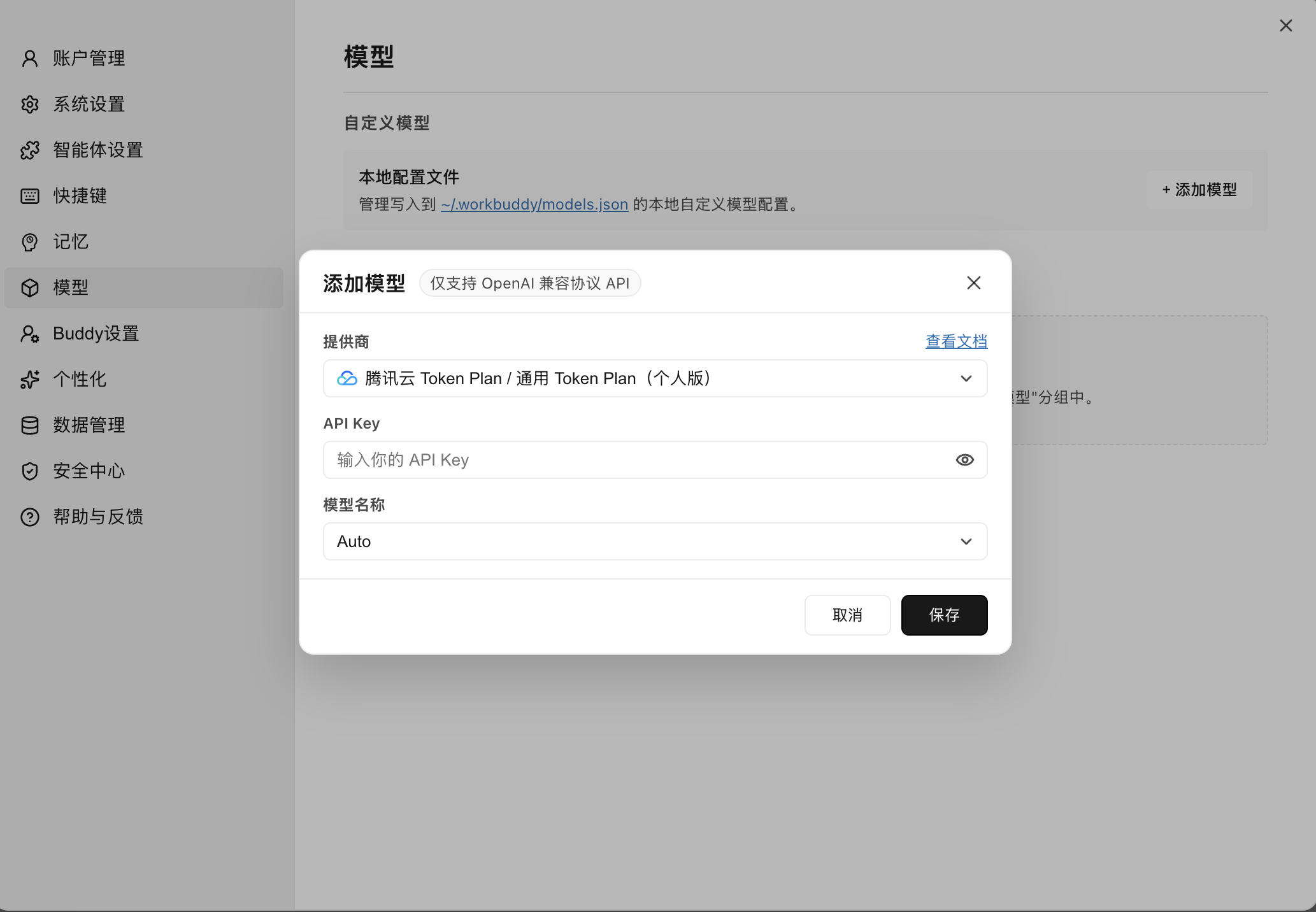
WorkBuddy describes a natural-language workbench that decomposes complex requests, invokes tools and can coordinate multiple agents. Its enterprise model documentation also shows a practical routing posture: users can select built-in models, connect third-party providers, run a local model through Ollama, or configure a custom API. That is a meaningful design decision because it avoids making a single model vendor the permanent definition of the product.
For international teams, this is a useful pattern to watch. Agent adoption is easier when the output is an ordinary work artifact—a report, brief, chart or draft—not an abstract demonstration of autonomy. The orchestration layer must still make intermediate evidence inspectable: where the data came from, which model produced each step, and where a human is expected to approve a transition.
The adoption test is straightforward. Give the system a bounded research-to-report task, require citations in the final artifact, and compare the time saved against the time spent correcting unsupported claims. If the system can route among models without losing traceability, it is more resilient than a product whose main value is a one-time model advantage.